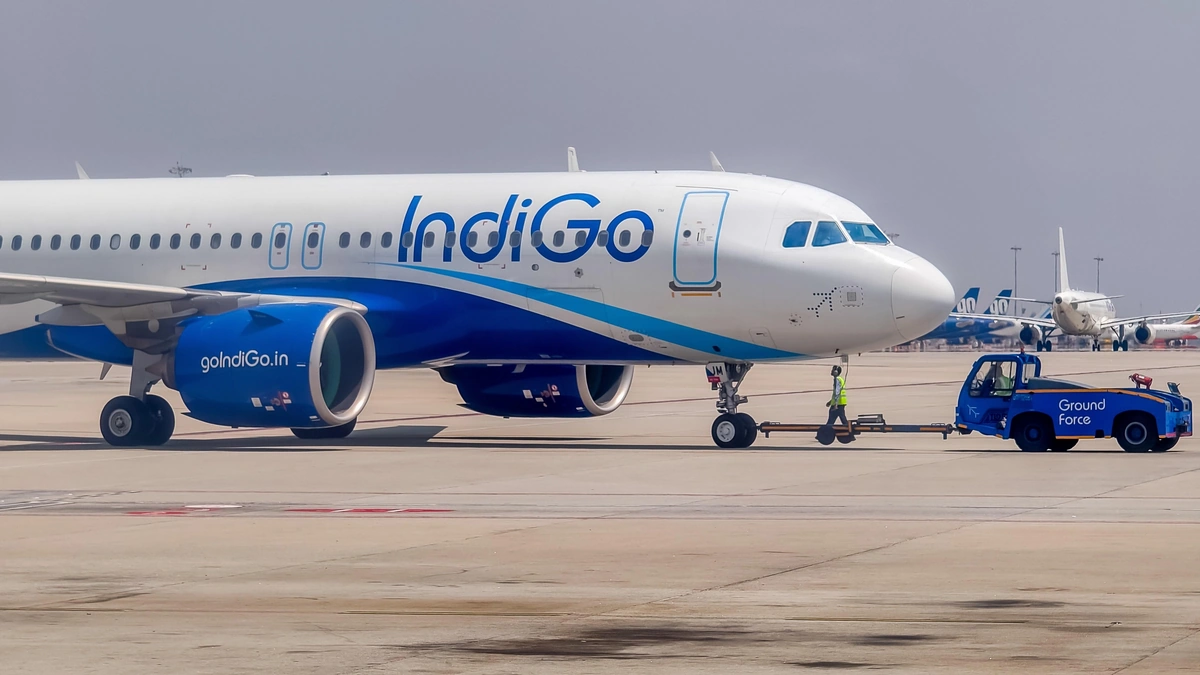
The stock market, right? It’s not just numbers and graphs; it’s a living, breathing entity with its own dramas, rivalries, and unexpected plot twists. And like any good drama, sometimes characters get promoted, and others… well, they get a demotion. The recent reshuffling on the Sensex and BSE is a perfect example. IndiGo , the poster child for Indian aviation, is basking in the glow of its Sensex inclusion, while Tata Motors PV feels the sting of being moved on the BSE. But let’s be honest – the real question is: what does this actually mean for you, the average investor, and for the companies themselves?
The “Why” | Sensex Restructuring – It’s More Than Just Bragging Rights

Okay, so IndiGo is now part of the Sensex. Big deal, right? Wrong. It’s a huge deal. Think of the Sensex as India’s version of the Dow Jones – a benchmark index that reflects the overall health and performance of the Indian economy. Being included in this elite club isn’t just about prestige; it unlocks a whole new level of investment potential. Here’s the thing: funds that track the Sensex (index funds, ETFs, you name it) have to buy IndiGo shares to mirror the index. That automatically translates to increased demand and, potentially, a bump in share price. It’s like getting a golden ticket to the investment party.Sensexinclusion is a sign that the market views IndiGo as a stable, growing, and significant player in the Indian economy. It boosts investor confidence and attracts both domestic and international investment.
But, and this is a big ‘but,’ it also means increased scrutiny. IndiGo will be under the microscope, with every quarterly result, every new route announcement, and every operational hiccup analyzed and dissected. The pressure to perform consistently will be immense. It’s kind of like being promoted to captain of the cricket team – everyone’s watching your every move.
Tata Motors PV | A Step Back, But Not Necessarily a Catastrophe
Now, let’s talk about Tata Motors Passenger Vehicles (PV). Being moved on the BSE (Bombay Stock Exchange) isn’t exactly a cause for celebration. It suggests that the company hasn’t been performing up to par, at least in the eyes of the BSE’s index committee. This doesn’t mean Tata Motors PV is going bankrupt tomorrow. Far from it. The company is still a major player in the Indian auto market, with a growing portfolio of electric vehicles and a renewed focus on design and technology. embracing simplicity .
What it does mean is that the company needs to work harder to regain investor confidence. It needs to demonstrate consistent profitability, show strong sales growth, and convince the market that its long-term strategy is sound. Think of it as a wake-up call. Sometimes, a little bit of adversity can be a powerful motivator. The company’s EV segment is doing well. Tata Motors share price reflects the company’s overall performance, and changes in BSE can influence investor sentiment, leading to price fluctuations.
The “How” | Decoding the Impact on Your Investments
So, how does all this market maneuvering affect your hard-earned money? Here’s the practical takeaway: If you’re an IndiGo shareholder, this Sensex inclusion is generally good news. You might see a short-term bump in the share price, and the long-term prospects for the company look brighter. However, don’t get carried away and make rash decisions based on hype. Always do your own research and consider your overall investment strategy.
If you hold Tata Motors PV shares, don’t panic. This BSE change doesn’t necessarily mean it’s time to sell. Instead, take a closer look at the company’s fundamentals, its growth strategy, and its competitive position. Are they innovating? Are they adapting to the changing market? Is the management team executing effectively? If you believe in the company’s long-term potential, this might even be an opportunity to buy more shares at a lower price. But again, do your homework. Stock market investments require careful analysis and understanding of market dynamics.
The Sensex restructuring can lead to increased trading volumes and liquidity for IndiGo , making it easier for investors to buy and sell shares. The BSE change for Tata Motors PV could result in a temporary dip in its share price, presenting a potential buying opportunity for long-term investors who believe in the company’s fundamentals. Investment decisions should be based on thorough research and risk assessment. Airline industry dynamics, including competition and fuel costs, significantly impact IndiGo ‘s performance. Automobile sector trends, such as the shift to electric vehicles, are crucial for Tata Motors PV. The Indian economy’s overall health plays a vital role in the performance of both companies.
The Emotional Angle | Riding the Waves of the Market
Let’s be real – investing can be emotional. Seeing your stocks go up is exhilarating; watching them plummet is gut-wrenching. But it’s crucial to remember that the stock market is a marathon, not a sprint. There will be ups and downs, twists and turns. The key is to stay calm, stay informed, and stick to your long-term investment goals. Don’t let short-term market fluctuations cloud your judgment.
I initially thought this was straightforward news – company A goes up, company B goes down. But then I realized it’s about the bigger picture: how these changes reflect the evolving Indian economy, the changing investor sentiment, and the ongoing battle for market dominance. And that, my friends, is a story worth watching. Nifty 50 is another key index to watch for overall market trends.
The aviation sector is highly competitive, with IndiGo facing challenges from other airlines. The passenger vehicles market is also evolving rapidly, with Tata Motors PV adapting to new trends. indigo aircraft acquisition .
Conclusion | Beyond the Headlines
So, IndiGo ‘s Sensex inclusion and Tata Motors PV’s BSE change aren’t just dry financial facts. They’re snapshots of a dynamic and ever-changing economic landscape. They’re reminders that the stock market is a reflection of the real world, with all its complexities, uncertainties, and opportunities. Don’t just read the headlines – dig deeper, understand the context, and make informed decisions. The market is a fickle beast, but with a little knowledge and a lot of patience, you can ride the waves and come out on top. And what fascinates me is how these shifts eventually trickle down to affect us all, from the price of airline tickets to the cars we drive.
Frequently Asked Questions (FAQ)
What does it mean for IndiGo to be included in the Sensex?
It means IndiGo is now considered one of the top 30 companies in India, leading to increased visibility and potential investment from index funds.
Why was Tata Motors PV moved on the BSE?
It suggests the company’s performance hasn’t met the BSE’s index committee’s expectations, but it doesn’t necessarily indicate a long-term problem.
Should I buy or sell IndiGo shares now?
Do your own research! Sensex inclusion is generally positive, but make investment decisions based on your strategy and risk tolerance.
Is it time to sell Tata Motors PV shares?
Not necessarily. Assess the company’s fundamentals, growth strategy, and competitive position before making a decision.
How often does Sensex restructuring happen?
Sensex is reviewed semi-annually. So, changes can occur based on company performance and market dynamics.
Where can I find more information about these changes?
Check the official websites of the BSE, NSE (National Stock Exchange), and reputable financial news sources.



Leave feedback about this